Where Will Food Come From if the Global Grid is Fried?
General Manager Mary Mullally and I will be holding our next almost-monthly “ask us anything” Co-op Connects session on Monday, March 9, 4:00 – 5:00 pm. Please join Mary, me, and possibly another council member to chat with you about the past, present, or future of the Co-op – or anything else on your mind. Look for us at the Demo station.
The council continues to invite people aligned with our mission to tell us about their work. Their fascinating presentations are worth tuning in for—even if you don’t care to watch the rest of the meeting. The next one, on Tuesday, March 10, will be from Plainfield Emergency Planning Director Michael Billingsley, who will describe how a powerful solar flare could knock out everyday infrastructure like the grid—globally. Even a less powerful solar flare could knock out GPS, which (surprisingly, perhaps) could take the Co-op’s ability to accept credit cards offline.
Billingsley is scheduled to speak at 6:30 pm on March 10; because of the vagaries of how meetings run, it’s a good idea to tune into the Zoom meeting (or come in person to the community room) 15 minutes earlier. Details about the meeting, including the Zoom connection, are on the agenda.
At the February 10 council meeting, Facilitator Elly Wood welcomed Council President Carl Etnier, who introduced Annie Harlow of the Vermont Farm to Plate Grocers Project. In a fast-paced and wide-ranging conversation, Harlow offered a behind-the-scenes look at the work of strengthening Vermont’s local food economy—from farm to distributor to grocery shelf.
An independent consultant and a former co-op Produce Manager, Harlow described ten years of research, store visits, producer-buyer forums, warehouse tours, and webinars designed to help independent grocers and food co-ops sell more local food—profitably and sustainably. She also publishes Small Bites, a monthly newsletter read by more than 1,000 industry professionals, highlighting practical tools, distributor updates, and examples of effective retail systems. She emphasized that local food cannot succeed in isolation; it depends on smart operations, pricing, merchandising, labor management, and strong distributor relationships across the full supply chain.
Council members pressed into meat processing capacity, raw milk, and wild foods like hazelnuts. Harlow acknowledged progress in meat processing but noted ongoing geographic and financial barriers. She highlighted Farm to Plate’s statewide network—working closely with the Vermont Sustainable Jobs Fund and the Agency of Agriculture—to address systemic challenges.
Harlow expressed strong interest in deeper collaboration with Hunger Mountain Co-op, including hosting peer store tours, sharing best practices (such as the Co-op’s innovative receiving systems), and engaging staff in upcoming trainings. Her enthusiasm—and the possibilities for partnership—left council energized about the Co-op’s role in Vermont’s evolving food system.
Ask us anything at the next Co-op Connects on Monday, March 9, 4:00 – 5:00 pm
General Manager Mary Mullally and I will be holding our next almost-monthly “ask us anything” Co-op Connects session on Monday, March 9, 4:00 – 5:00 pm. Please join Mary, me, and possibly another council member to chat with you about the past, present, or future of the Co-op – or anything else on your mind. Look for us at the Demo station.
The Wrap
Overheard at the co-op’s café:
“Would you like a cup of coffee?”
“No, thanks; when I drink coffee, I can’t sleep.”
“Huh. In my case, it’s the other way around. When I sleep, I can’t drink coffee.”
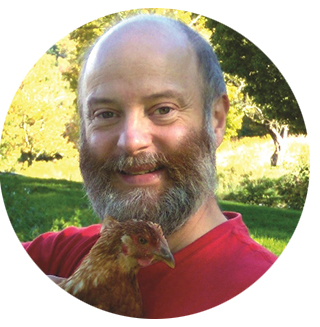
—Carl Etnier, Council President
Do you have any questions or comments about the council? Do you know any jokes even faintly related to food and/or co-ops? Please email them to me!